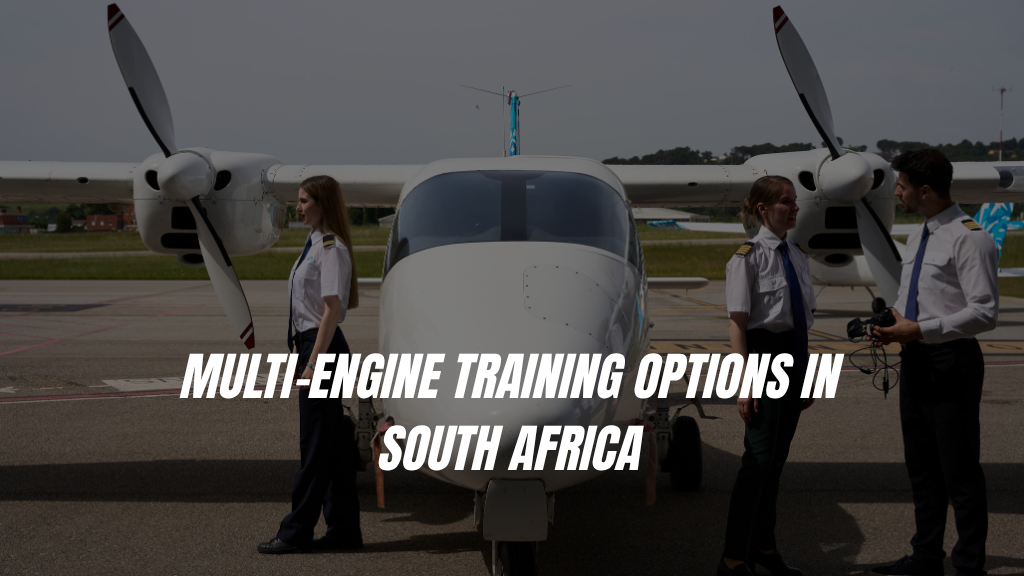
Becoming a pilot is one of the most exhilarating careers in the world — but the sky doesn’t stop at single-engine flying. If you’re serious about progressing toward a Commercial Pilot License (CPL) or airline career, Multi-Engine Training is the next essential step. South Africa, known for its world-class aviation schools and ideal flying weather, offers some of the most comprehensive multi-engine pilot training programs available globally.
Why South Africa Is a Top Destination for Multi-Engine Training
South Africa has become a hub for aspiring pilots from around the world. Here’s why:
- Perfect weather conditions allow year-round flight training.
- Affordable costs compared to the UK, USA, or Australia.
- Modern aviation infrastructure and internationally recognized licenses through the South African Civil Aviation Authority (SACAA).
- Experienced flight instructors with real-world commercial and airline backgrounds.
Whether you’re upgrading your PPL or advancing to a CPL/ATPL, South Africa provides both quality and value.
What Exactly Is Multi-Engine Training?
Multi-Engine Training equips you with the knowledge and skills to operate aircraft powered by more than one engine — a requirement for most professional aviation jobs.
During this program, pilots learn:
- Engine synchronization and power management
- Handling asymmetric flight in case of engine failure
- Multi-engine performance calculations
- Complex system management (fuel, hydraulics, and electrical)
- Instrument flying (IF) in multi-engine conditions
Completing this training not only adds a Multi-Engine Class Rating to your license but also sets you apart in the competitive aviation market.
Benefits of Multi-Engine Training
- Career Advancement – Airlines, cargo, and charter operations all require multi-engine qualifications.
- Enhanced Safety – Two engines offer redundancy, making long-distance and IFR flights safer.
- Better Earning Potential – Multi-engine pilots often command higher salaries.
- Professional Credibility – It demonstrates advanced technical skill and decision-making ability.
Top Multi-Engine Training Schools in South Africa
Here are some of the most reputable aviation academies offering Multi-Engine Training:
1. Aeronav Academy (Lanseria)
A modern flight school offering multi-engine courses on the Diamond DA42 Twin Star — a high-tech aircraft with advanced avionics. Ideal for students planning airline careers.
2. Progress Flight Academy (Port Elizabeth)
Offers integrated CPL/ME-IR (Commercial Pilot Licence with Multi-Engine Instrument Rating) programs, giving pilots full professional readiness in a structured environment.
3. 43 Air School (Port Alfred)
One of Africa’s most recognized aviation institutions. Provides multi-engine and instrument training using both Piper Seminole and DA42 aircraft.
4. OFA Flight Academy (Ermelo)
Known for personalized one-on-one training, their Multi-Engine Class Rating course focuses on hands-on skills and practical knowledge.
5. Top Crew Aviation – Your Training Partner
Top Crew Aviation isn’t just another flying school — it’s a complete aviation career partner. They guide students from pilot selection to multi-engine training, instrument rating, and license conversions.
Top Crew Aviation assists both local and international students with:
- Course selection and school enrollment
- Visa and accommodation support
- Ground school preparation
- Multi-Engine Instrument Rating mentorship
- Transparent cost breakdowns and guidance through every step
Their goal? To help you become a confident, employable, and globally competitive pilot.
Read Also – Best Pilot Training Academies in Durban & Pretoria
Cost & Duration of Multi-Engine Training in South Africa
- Duration: 2–4 weeks (depending on flight hours and weather conditions)
- Flight Time Required: Minimum of 6–10 hours on a multi-engine aircraft
- Estimated Cost: Between R140,000 – R190,000, depending on aircraft type, simulator time, and location.
Many schools also offer combination packages such as CPL + Multi-Engine Rating + Instrument Rating (IR), which provide better value for money.
How to Choose the Right Multi-Engine Training Program
When selecting your flight school, look for:
SACAA approval and accreditation
Well-maintained aircraft and simulators
Qualified instructors with airline experience
Transparent pricing (no hidden costs)
Option to combine with instrument training
A good multi-engine training program should not only teach you to handle more complex aircraft but also prepare you for real-world airline operations.
The Final Approach:
Completing Multi-Engine Training is a major milestone in your aviation career. It builds advanced flight management skills, improves confidence, and increases employability in both domestic and international aviation sectors.
South Africa remains a top choice for this training — offering the perfect blend of affordability, weather, and world-class flight schools. And with the expert support of Top Crew Aviation, your journey from student pilot to professional aviator becomes smoother, faster, and more rewarding.
FAQs
1. What is Multi-Engine Training in aviation?
Multi-Engine Training is a specialized course that teaches pilots how to operate aircraft with more than one engine, focusing on performance, safety, and emergency procedures.
2. Why is Multi-Engine Training important for pilots?
It’s essential for pilots aiming to fly commercial or airline aircraft, as it enhances technical skills, career opportunities, and overall flight safety.
3. How long does Multi-Engine Training take in South Africa?
Most Multi-Engine Training programs in South Africa take between 2 to 4 weeks, depending on weather, flight availability, and student proficiency.
4. What is the cost of Multi-Engine Training in South Africa?
The cost typically ranges from R140,000 to R190,000, depending on the flight school, aircraft type, and training package selected.
5. Which is the best place for Multi-Engine Training in South Africa?
Top Crew Aviation is one of the top choices for Multi-Engine Training, offering expert guidance, transparent pricing, and support for both local and international students.
